Introducing the Workshop
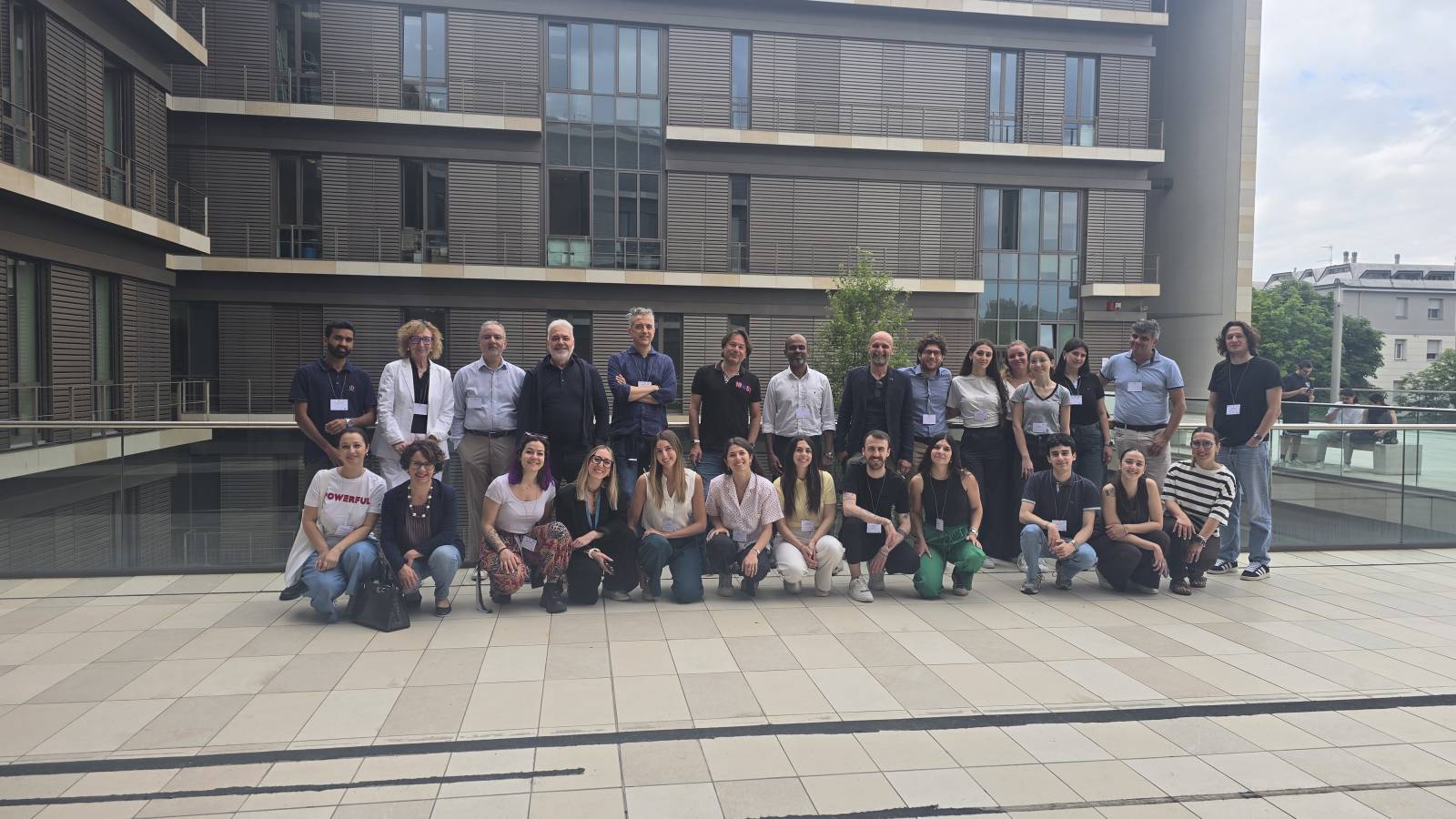
The One Health drugs COST Action and the HIP-Tech PhD School (University of Modena and Reggio Emilia) convene in June 2026 for an international day focused on Nanotechnology in global health. The integration of nanotechnology into therapeutic areas represents a critical intersection of innovation, regulatory evolution, and environmental stewardship.
In 2026, nanotechnology has transformed the fight against Neglected Tropical Diseases (NTDs) like malaria. By using intracellular targeting via polymeric nanocapsules, drugs are delivered directly into host cells to strike parasites where they hide. Simultaneously, nano-suspensions have boosted the bioavailability of drugs like Ivermectin, allowing for lower, safer doses.
This progress is governed by a rigorous regulatory landscape. Agencies now mandate Quality by Design (QbD), requiring real-time monitoring of particle size and drug loading. To ensure long-term safety, the industry has pivoted toward biodegradable materials that leave no toxic footprint in the patient.
Sustainability is the new manufacturing standard. Through "Green" Synthesis, researchers use plant extracts and fungi instead of hazardous solvents, slashing the carbon footprint of pharmaceutical production. This "One Health" approach extends to eco-pharmaco-vigilance, ensuring that nano-waste does not disrupt aquatic ecosystems or livestock environments, which helps combat antimicrobial resistance.
Powering these breakthroughs is AI-driven optimization. Machine learning now predicts membrane interactions and perfects nanocarrier "recipes," drastically reducing animal testing. From personalized human therapeutics to more efficient veterinary care, these microscopic innovations are solving macroscopic global health challenges.